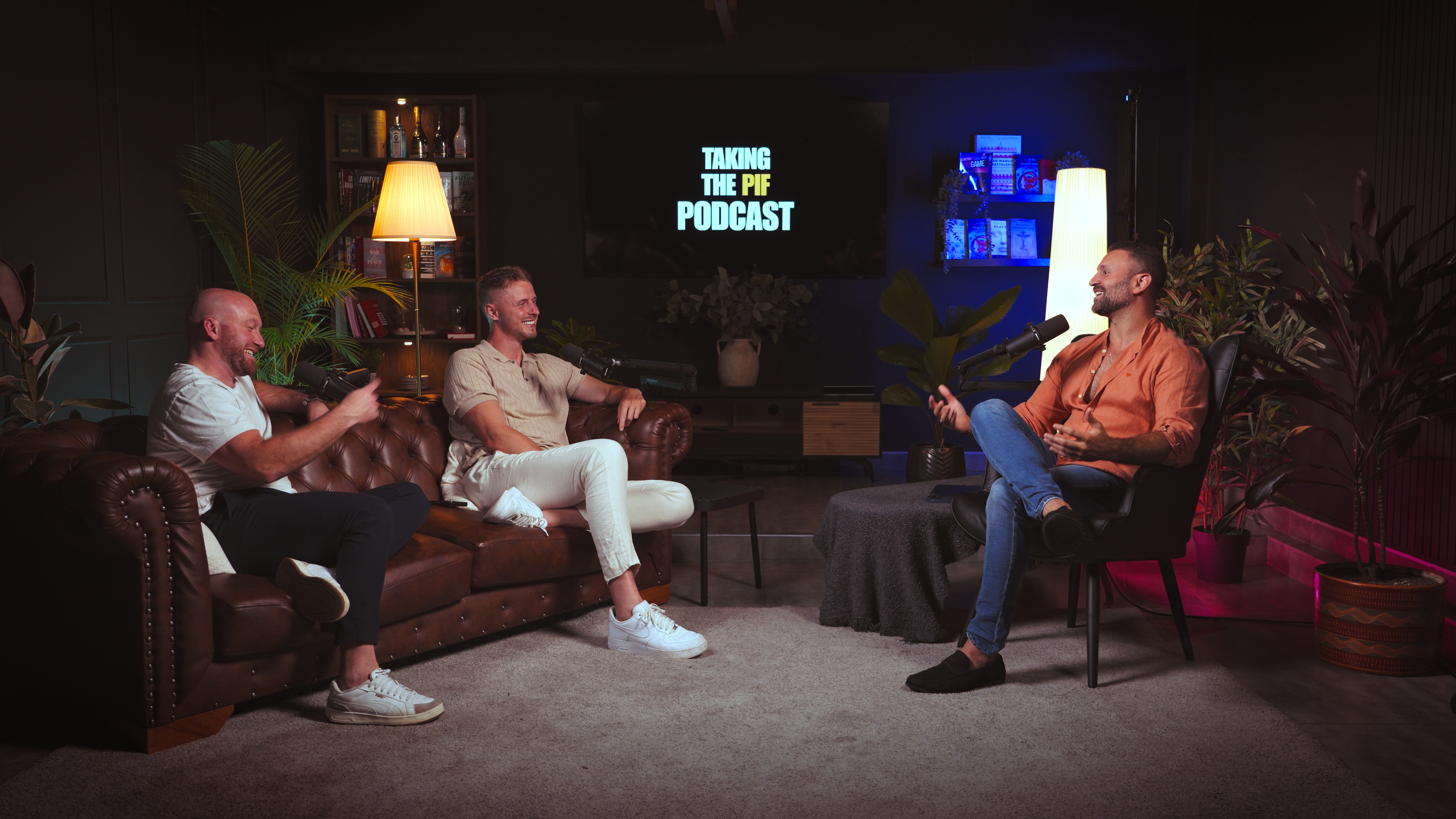
To choose a niche before creating video content, pick one group of people you already serve well, name the specific problem they will pay to solve, and check that you can say both in a single sentence a stranger understands. If you can't write that sentence, you aren't ready to film yet. Every script, set and hook you choose later depends on it.
This is the first article in a series on positioning and offer before content. It covers the step most people skip: deciding who the content is for. The exercises below take an afternoon and a notebook. They cost nothing, and they decide whether your shoot day turns into clients or just footage.
Why does your niche matter more than your camera?
A well-lit, well-graded video that talks to everyone gets watched by no one in particular. When viewers can't tell within the first few seconds whether a video is for them, they scroll on. Production quality makes a clear message believable. It can't make a vague message clear.
The cost shows up later, too. Without a niche, every script starts from a blank page because there is no obvious next topic. Hooks stay generic ("Want to grow your business?") because there's no specific pain to point at. And views that do arrive come from people who will never buy, which is the problem covered in Why Do My Videos Get Views but No Clients?.
Picking a niche doesn't mean turning away everyone else. It means choosing who your content speaks to directly. People outside that group can still hire you. They just aren't who you write for.
What makes a good niche for business video?
A useful niche passes four tests. Score your candidates against each one.
- You can find them. You can name where these people gather: a job title, an industry, a stage of business, a community. "Entrepreneurs" fails. "Physiotherapists opening their second clinic" passes.
- They have an expensive problem. The problem costs them money, time or sleep, and they already know it does. Problems people have to be persuaded they have make for slow content and slower sales.
- They can pay. The people with the problem have the budget, or control it, to fix it.
- You have proof. You've solved this problem before, ideally more than once, and you can describe the before and after in plain terms.
The fourth test is the one people overlook. A niche you find interesting but have no results in is a research project, not a positioning.
Exercise 1: Sort your best and worst clients
Take a sheet of paper and list every client or customer from the last one to two years. Next to each name, write three things:
- What they came to you for, in their words, not yours
- What result they got
- How it felt to work with them: energizing, neutral or draining
Then circle the five you'd clone if you could. Look for what they share: industry, size, the moment in their business when they found you, the phrase they used to describe their problem. That shared pattern is usually your niche, sitting in your own history.
Do the same for the five you'd least want to repeat. What they share is just as useful. It tells you who your content should quietly filter out.
Exercise 2: Name the problem in their words
Most offers are described in the seller's language ("holistic brand alignment") when buyers search in their own ("my sales calls go nowhere"). Your content has to use the second kind.
Go back to your circled clients and find the exact phrases they used before they bought: in discovery calls, emails, DMs, intake forms. Write them down word for word. You're looking for:
- The trigger: what happened that made them look for help now
- The symptom: what they could see going wrong
- The cost: what it was costing them, in their own words
Then finish this sentence: "I help [specific people] who are struggling with [problem in their words] to get [result they'd describe]."
For example, a hypothetical business coach might move from "I help entrepreneurs unlock their potential" to "I help agency owners stuck at the same revenue for a year raise prices without losing their best clients." The second version tells a viewer straight away whether to keep watching.
Exercise 3: Test the sentence on a stranger
Read your sentence to someone outside your industry and ask them to repeat back who you help and with what. If they can't, simplify. Jargon is anything the stranger asks you to explain.
Then send it to three past clients from your circled list and ask one question: "Is this what you hired me for?" Their corrections are worth more than any branding workshop. Keep changing the sentence until they say yes without hesitating.
Exercise 4: Draft ten video titles before you book anything
A real niche produces topics easily. Give yourself twenty minutes to write ten video titles your niche would click on. Base each one on a question your clients actually asked, a mistake you saw them make, or a result they wanted.
- If you get to ten easily and they all feel specific, the niche works.
- If you get stuck at four, or the titles could apply to any business, the niche is still too broad. Go back to Exercise 1.
Those ten titles are also the first draft of your content pillars, the three or four themes your videos keep returning to. Grouping them is the next article in this series. For now, having them written down means you walk into a shoot with a list instead of a blank page. When you get to that stage, How to Plan a Content Shoot Day shows how to turn a topic list into a schedule.
What if you have several possible niches?
Pick the one with the strongest proof and the most expensive problem, and commit to it for your first batch of content. Don't film a bit for each audience "to see what works". Mixed signals give you muddy data, and you won't know whether a video flopped because of the topic or because it spoke to the wrong person.
Choosing for now isn't choosing forever. A focused first batch tells you far more than a scattered one. You can widen the niche later from a position of evidence.
When is outside help worth it?
If your business is already selling but growth has stalled, the problem may not be content at all. It may be the offer, the price or the positioning. That's a different job from picking a first niche. Estudio Helios, which publishes this site, runs a consulting engagement called Blueprint for founders already past USD 15,000 a month in revenue. It starts with a two-week diagnosis of numbers, offers, best and worst clients and competitors, and is priced from USD 10,000. Studio production comes once the plan is agreed, not before.
If you're earlier than that, the four exercises above will get you most of the way. Once your sentence and your ten titles hold up, you're ready to think about filming. How to Batch Film Content in One Studio Session and the cost guide are the logical next reads.
Frequently asked questions
How narrow should a niche be for video content?
Narrow enough that a viewer can tell within seconds whether the video is for them, and that you can name where those people gather. If your description would fit almost any business, it's too broad.
Can I change my niche after I start filming?
Yes. Commit to one niche for your first batch so the results are easy to read, then adjust based on who actually responds and buys.
Do I need a niche if I sell to many kinds of clients?
Your business can serve many kinds of clients, but your content works best when it speaks to one of them at a time. Pick the group with the strongest proof and the most expensive problem to lead with.
What should I do before booking a video shoot?
Write your one-sentence positioning, check it with a stranger and with past clients, and draft at least ten specific video titles. If you can't do those three things, more planning will help you more than more footage.